

Emerging Golf Course Design Trends to Watch in 2025
TerraTread reports that 43% of the world's golf courses (around 15,500) are in the United States.
Golf is deeply rooted in American culture. The country's vast space, strong economy, and passion for the sport fuel constant innovation.
Golf course design is evolving to keep the game fresh and engaging. Architects are refining layouts, experimenting with advanced grass types, and integrating cutting-edge technology. If you're looking to elevate your golf experience, exploring modern course innovations can make a difference.
But what exactly is changing? Let's dive into the top golf course design trends for 2025.
Sustainable and Eco-Friendly Designs
Designers are incorporating eco-friendly features to reduce environmental impact. These mainly include:
- Water-saving irrigation
- Native drought-resistant grasses
- Solar-powered facilities
- Recycled water use
- Wildlife-friendly layouts
- Natural hazards instead of artificial ones
- Organic fertilizers
Designing golf landscapes with sustainability helps protect nature while keeping courses beautiful. These changes lower costs, reduce environmental harm, and create a better playing experience. Expect sustainability to shape the future of golf for years to come.
Shorter, More Accessible Courses
Not everyone has time for a full 18-hole round. Many golfers need a faster game. That's why more types of golf courses are offering shorter formats.
These courses are perfect for casual players or beginners. Designers are creating courses with 6, 9, and 12-hole options. This allows golfers to enjoy a round in less time.
Shorter courses also make golf more accessible for families and younger players. You don't need hours to enjoy the game.
These changes give you the freedom to play when you want. Shorter golf courses are an exciting new trend for those looking for quick, fun rounds.
More Women-Friendly Designs
Golf courses have traditionally catered to male players, but now, things are shifting. As more women join the sport, courses are adjusting to be more inclusive.
This includes offering tee placements that are easier to reach and shorter course lengths. Designers are also improving facilities, such as restrooms and clubhouses, to be female-friendly.
These changes help create a welcoming environment for women, encouraging more participation. They also help boost diversity in the sport.
Multi-Use Golf Courses
Many courses are evolving into multi-purpose spaces. They now offer more than just golf. These courses are designed to accommodate various activities such as:
- Walking and jogging
- Running trails
- Cycling paths
- Picnic areas
- Yoga and fitness zones
- Outdoor concerts
- Events such as weddings and holiday parties
By adding these features, courses attract more visitors, not just golfers. Families and communities can now enjoy these spaces in new ways. The best golf courses focus on inclusivity, making them valuable to more people.
Customizable Course Designs
Golf courses are now offering more variety and flexibility. Customizable designs are growing in popularity. Some courses have interchangeable tee placements and modular greens.
These features let designers change the layout to fit different skill levels. This ensures all players can enjoy the course, no matter their ability. Customizable designs also help courses cater to different events.
Whether it's a tournament or casual play, these options create a personalized experience. Golfers can enjoy challenges that match their skills. More courses adopting this flexibility will make the game more fun and accessible for everyone.
Climate-Resilient Designs
Extreme weather, like droughts and heavy rain, can damage golf courses. It can also cause temperature swings that impact turf and playability.
Golf course architecture is evolving to handle these challenges. Climate-resilient designs ensure courses stay playable in any weather. They use drought-resistant grass, which needs less water.
They also incorporate advanced drainage systems to handle heavy rainfall. This makes your game more consistent and enjoyable year-round.
The Growth of Urban Golf Courses
Traditionally, golf courses were built in remote areas, far from cities. This was because they needed a lot of space and quiet surroundings. But now, cities are growing fast, and people don't always have time to travel far.
To meet this need, designers are creating urban golf courses. These courses are smaller and fit in busy city areas. They often have shorter holes and use artificial turf.
Some even have lighting to allow playing at night. Urban golf courses are changing the way we think about golf. As cities grow, golf course planning will focus more on city spaces to make golf more accessible.
Advanced Turf Management
Turf management is crucial for keeping golf courses in great shape. As technology improves, so do turf care methods. New hybrid grasses need less water and are more resistant to disease.
Advances in soil science also help keep turf healthy. Automated machines make maintaining turf faster and more efficient. These changes reduce the need for harmful pesticides and fertilizers, which are better for the environment.
Golf clubs benefit from this by having better playing conditions and fewer issues with turf health. Players will enjoy a smoother, more consistent game year-round with these innovations.
Nature-Integrated Layouts
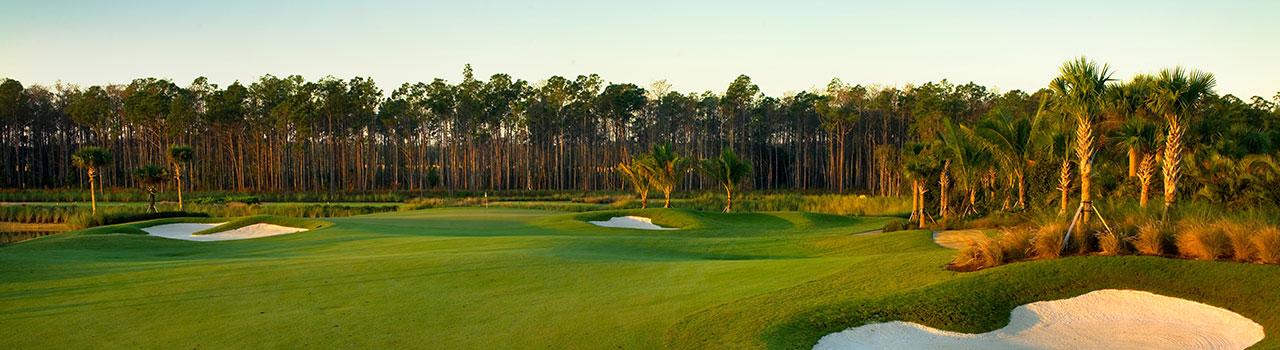
Nature-integrated layouts connect the golf course with its natural surroundings. Designers are using natural features such as:
- Streams
- Forests
- Wetlands
- Hills
- Lakes
- Rocks
- Wildlife habitats
These features help shape the course naturally. Designers use them instead of relying on artificial hazards or landscaping. This approach creates a more organic and beautiful golfing experience.
It blends the course with nature, offering a stunning view. By preserving and enhancing natural landscapes, these designs promote sustainability.
For golfers, it offers a fresh and immersive experience. Nature-integrated layouts change how we enjoy golf, making it feel like part of the natural world.
The Future of Golf Course Design: Embracing Innovation and Sustainability
Golf course design is changing to offer more fun and easy experiences for all players. From shorter, more accessible courses to eco-friendly designs, golf courses are evolving to meet modern needs.
If you want to experience these exciting changes, visit us at Southern Hills Plantation Club. We are proud to have the only Pete Dye Signature golf course in West-Central Florida. We feature a full-service fitness center, resort-style swimming pool, and top-notch racquet facilities.
Our course is perfect for golfers of all levels, offering a great challenge in a beautiful setting. Join us today and enjoy a unique golf experience like no other!